
.
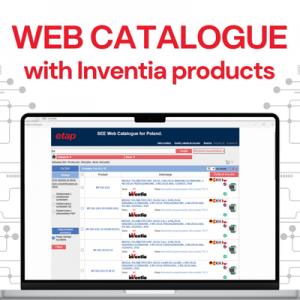
Inventia’s products available in WebCatalogue – easier design with SEE Electrical and SEE Electrical Expert
June is fast approaching, and with it comes a good time to take stock of our activities so far and look at upcoming projects from a new perspective. The design industry shows no signs of slowing down, so every new phase or implementation should be treated as an opportunity to ask ourselves a simple question: what can be done faster, more efficiently, and better?
For years, it has been said that it is precisely the pursuit of convenience—and sometimes even a touch of “engineer’s laziness”—that drives technological development. In the world of design, the ideal scenario would be to minimize all repetitive tasks—from drawing lines and curves, often line by line—and focus exclusively on what is truly creative. And while the design process itself, as an act of creation, is difficult to fully automate, its repetitive, technical elements are definitely worth simplifying and optimizing. It is precisely in this area that solutions emerge that truly transform designers’ daily work. One of them is the availability of ready-made component libraries in CAD environments.
Good news for designers and automation system integrators – Inventia devices are now available in the WebCatalogue database, allowing for their quick and convenient use in projects created in SEE Electrical and SEE Electrical Expert. This is a significant convenience for everyone who creates technical documentation, designs electrical installations, and integrates industrial automation systems on a daily basis.
The implementation of the Inventia product libraries is the result not only of collaboration with ETAP, but also of a tremendous commitment to integration. Thanks to the initiative and work of Mr. Mirosław Diaczek from MDC MULTISYSTEM Sp. z o.o., it was possible to prepare complete and consistent component libraries and then make them available in the WebCatalogue repository. His contribution to the project was crucial—without the coordination of integration efforts, it would have been difficult to achieve such data quality and availability.
“As a designer at MDC MULTISYSTEM Sp. z o.o., in my daily work on control cabinets, I prioritize maximum precision and time optimization. Using SEE Electrical software in combination with Inventia’s telemetry modules available in the WebCatalogue database is areal breakthrough in the documentation creation process for me. Thanks to my personal initiative and collaboration on integrating these libraries, today I can simply select ready-made digital twins of components instead of tediously drawing symbols line by line. What does this mean in practice? First and foremost, the elimination of human error and a huge time savings, which I can devote to refining the system’s logic and the installation’s functionality.
With up-to-date and consistent manufacturer technical data at my fingertips, control cabinet design becomes a seamless process, and the finished documentation is fully professional and compliant with the highest industry standards,”stated Mr. Mirosław Diaczek.
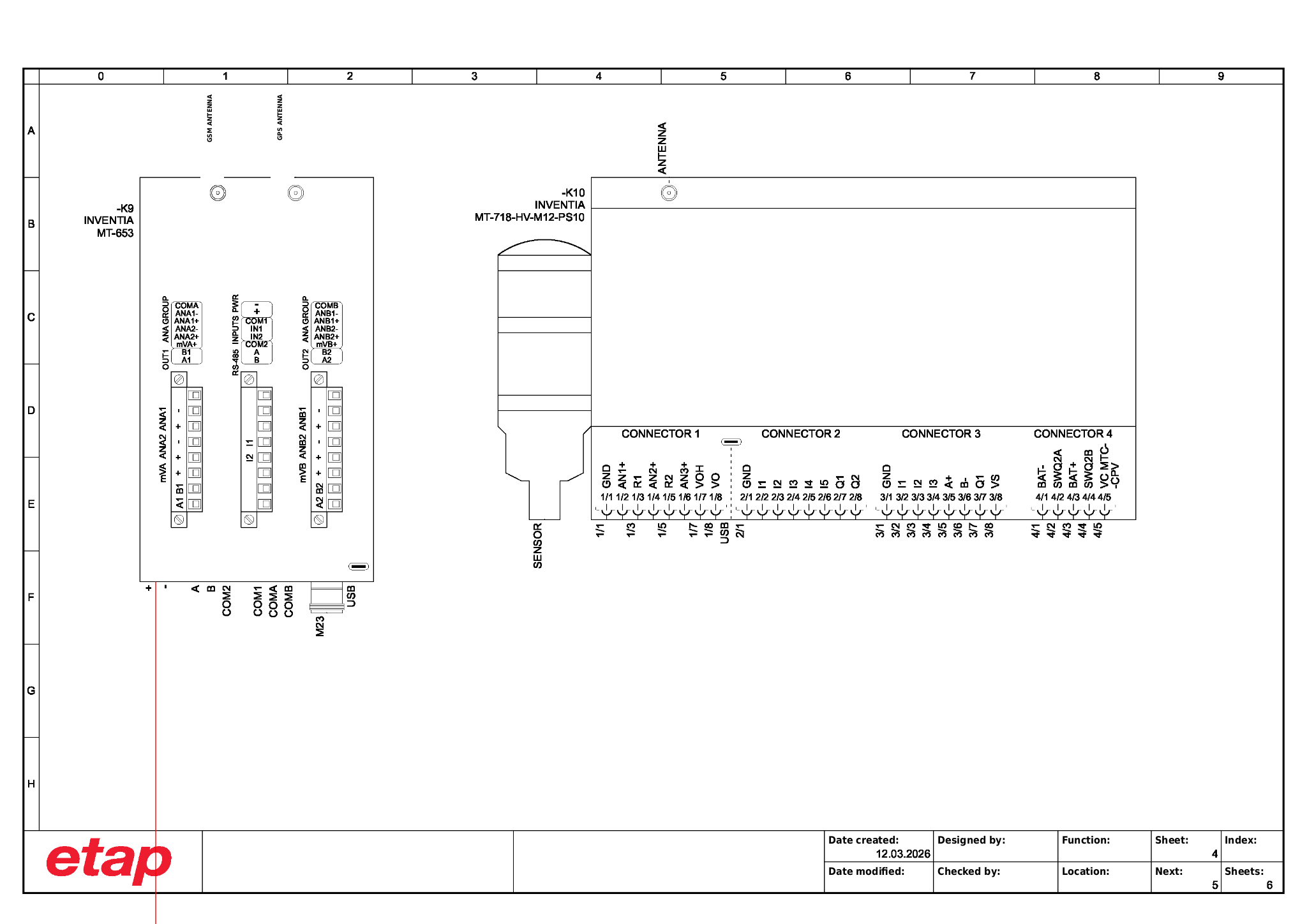
Examples of Inventia components available in WebCatalogue
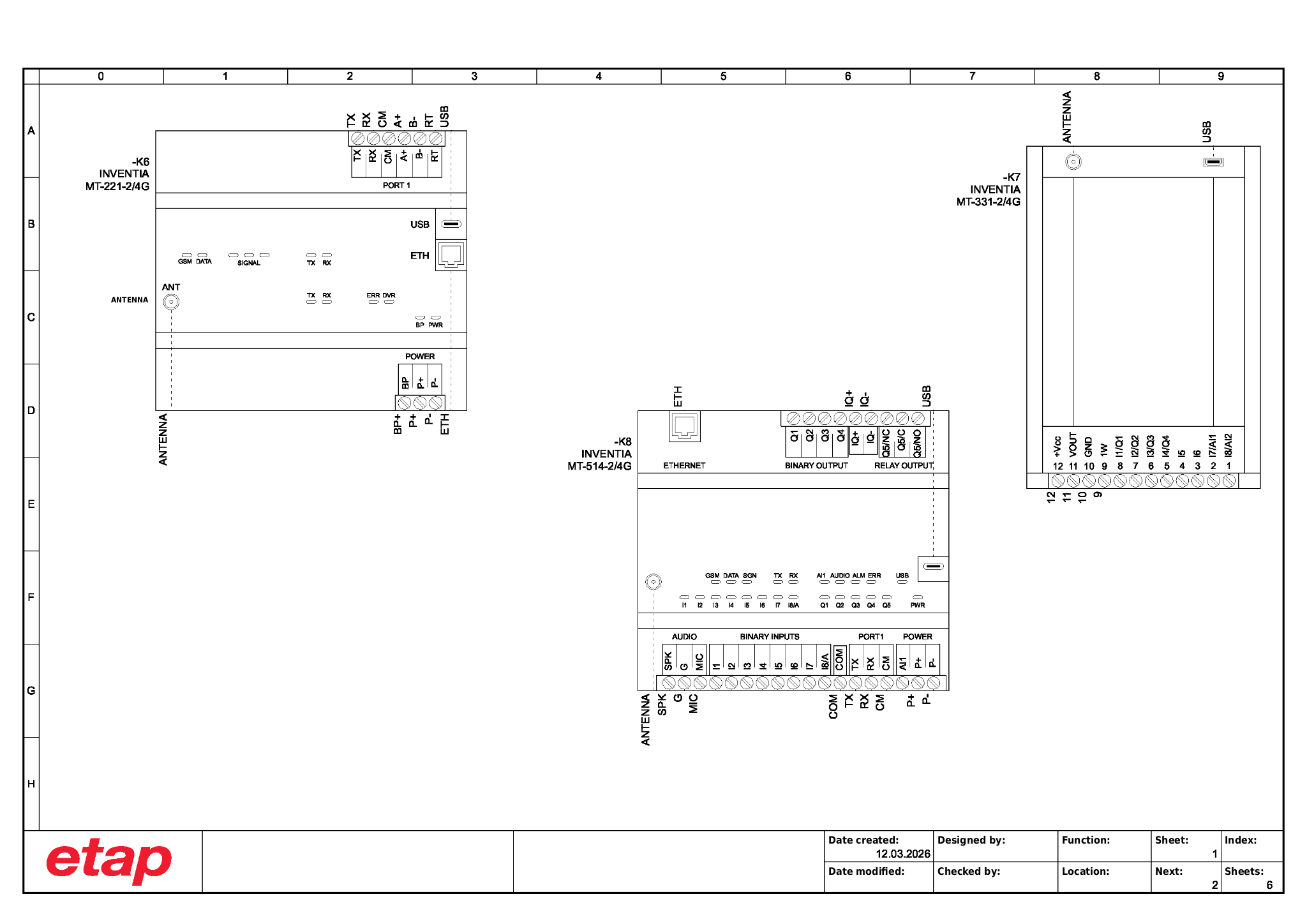
Easier design and quick access to data
Thanks to the inclusion of Inventia devices in WebCatalogue, designers can easily search for and insert components directly into their projects. This not only saves time when creating documentation but also provides access to up-to-date technical data, which is essential for proper system design and integration.
In practice, this translates to greater design consistency—library elements are ready-to-use and compliant with the standards used in SEE Electrical, which significantly reduces the risk of design errors. In the daily work of a designer or integrator, this allows them to focus on system logic and installation functionality, rather than on creating symbols or manually entering data.
It is precisely this aspect—the elimination of repetitive tasks—that best illustrates the importance of well-prepared component libraries today.
Inventia’s ready-made device symbols accelerate the creation of technical documentation
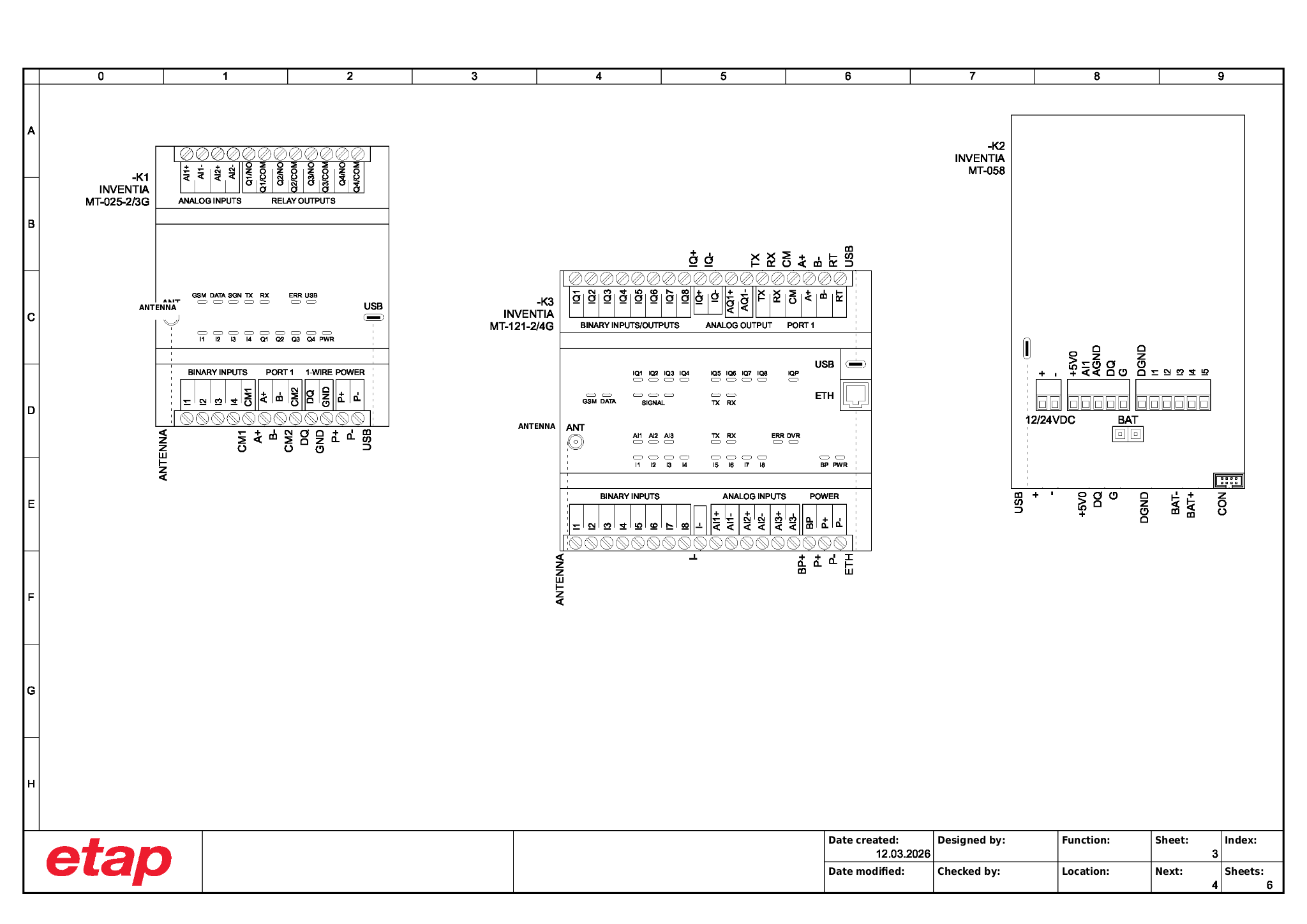
WebCatalogue – a central component database for designers
WebCatalogue is a platform that provides access to component libraries from many manufacturers, including Inventia. Using this repository, users can quickly download ready-made models and symbols that automatically integrate into projects in SEE Electrical and SEE Electrical Expert.
This is extremely convenient, especially for projects involving complex industrial systems, where manually creating all components would not only be time-consuming but also prone to errors. In this context, WebCatalogue becomes not just a database but a real tool for optimizing design work.
The inclusion of Inventia products in this database is another step toward simplifying the work of designers and integrators and increasing the availability of our solutions as early as the concept and design stages.
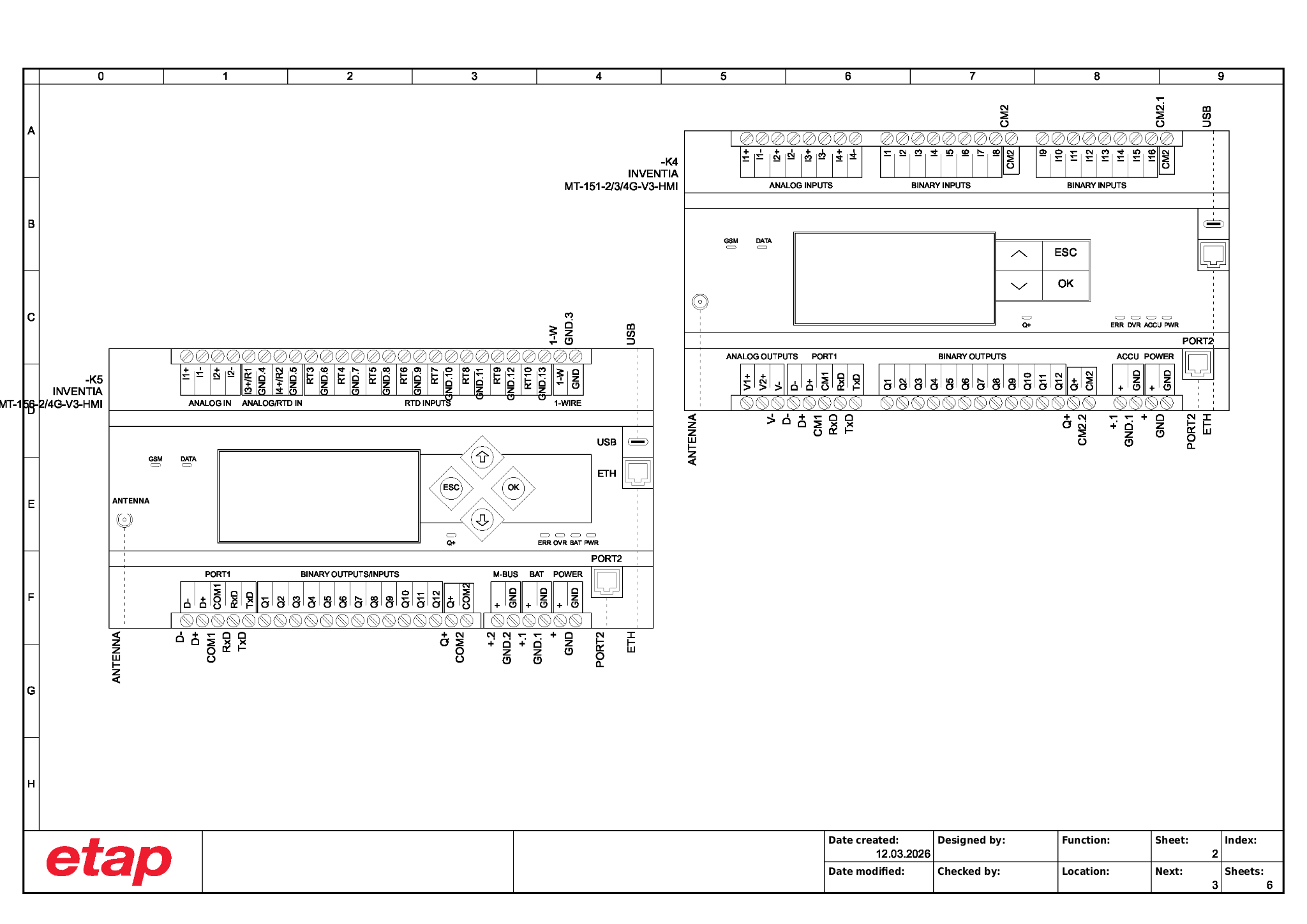
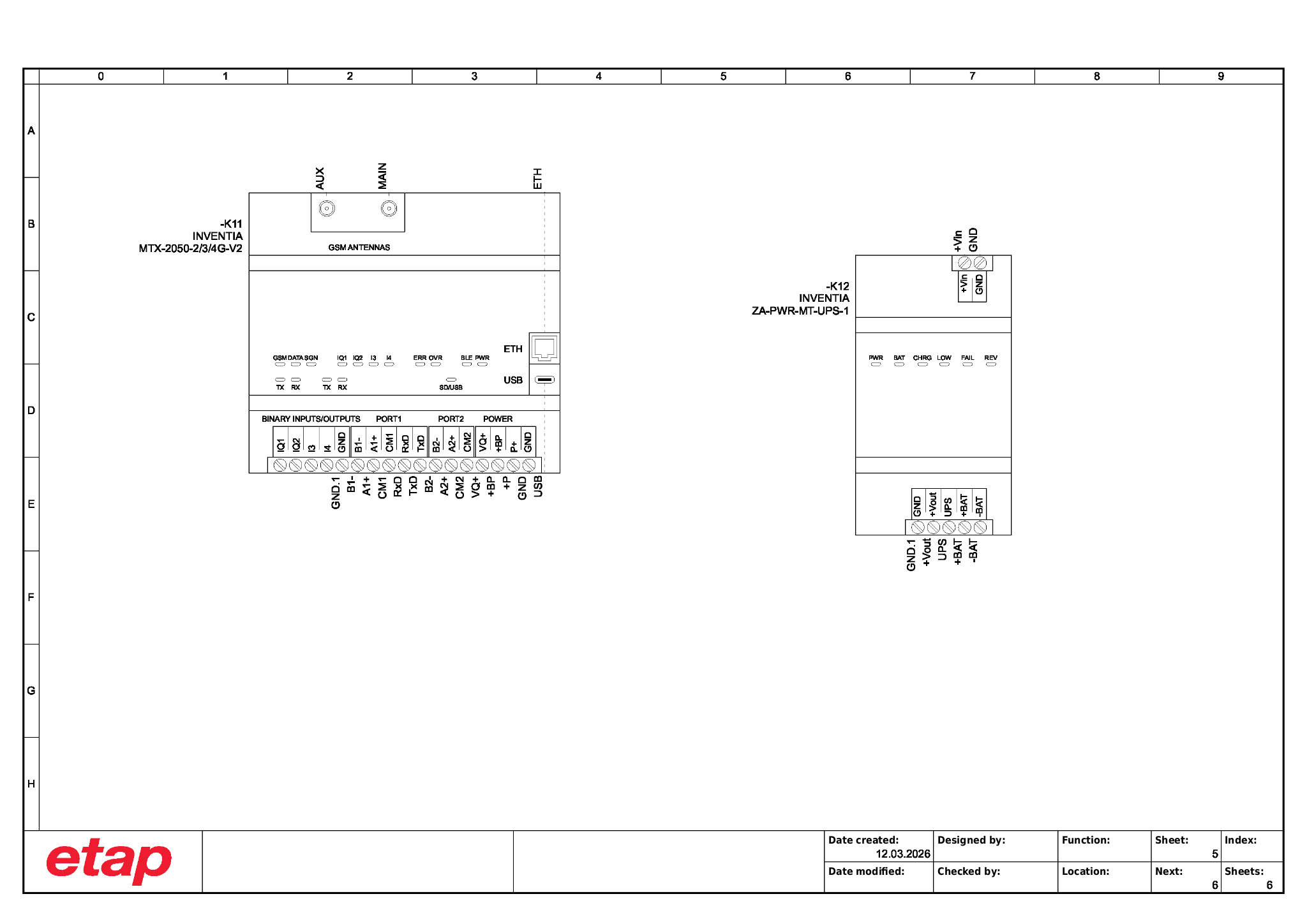
Comprehensive Inventia components ready for use in SEE Electrical projects
Who is this solution for?
Making Inventia devices available in the WebCatalogue database benefits a wide range of professionals. This solution will be particularly appreciated by design offices working on complex documentation, automation system integrators working under time pressure, as well as automation engineers responsible for the reliability and correct operation of systems.
Companies implementing industrial projects also gain tangible support—consistent and accurate technical documentation is one of the key elements of efficient project execution today. Thanks to ready-made libraries, users not only save time but also gain the assurance that the designed systems comply with the manufacturer’s specifications and are ready for implementation.
The libraries cover various types of devices used in automation projects
Use WebCatalogue and select Inventia products for your projects
We encourage you to explore the WebCatalogue and incorporate Inventia devices into your projects within the SEE Electrical and SEE Electrical Expert environments. It’s a simple way to speed up your work, improve documentation quality, and ensure project consistency.
And now a question for our readers: do you already use component libraries in your CAD tools? What features are most important to you when selecting ready-made models and design data?
Inventia products can be conveniently inserted into projects as ready-made library elements
Q&A – Frequently Asked Questions
Are Inventia devices available directly in design software?
Yes, Inventia devices are available in the WebCatalogue database, which is used by SEE Electrical and SEE Electrical Expert, among others. This makes it easy to add them to projects. We are working to ensure that other software supporting designers is also integrated with Inventia’s product libraries.
Who is this solution for?
For electrical installation designers, system integrators, and anyone working with technical documentation in a CAD environment.
Why use WebCatalogue instead of creating components from scratch?
Ready-made libraries eliminate the need to manually create components, which significantly speeds up the design process and allows you to focus on system logic rather than drawing symbols.
Share this article:



Read more articles:
Which telemetry module should you choose? How to select an Inventia device for your project’s needs in just a few steps
Explore the product search tool on the Inventia website

Don’t water by guesswork. Start managing water with the Agreus system
See how to replace intuition with proven data and optimal irrigation